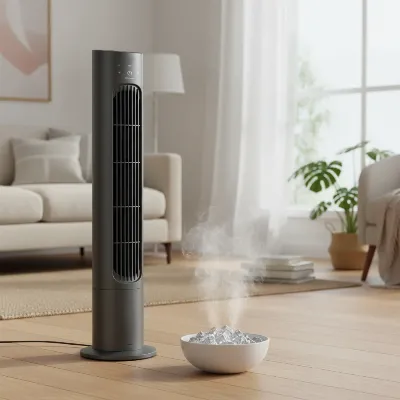
Is your once-powerful tower fan struggling to deliver that refreshing breeze, or worse, circulating dusty air? Over time, these essential home appliances become magnets for dust, pet hair, and airborne particles, significantly impacting their performance and the air quality in your home. A clogged fan not only works harder, leading to reduced airflow and potential overheating, but it can also become a source of allergens, turning your comfort into a cause for concern. Learning how to clean your tower fan properly is crucial for maintaining its efficiency, extending its lifespan, and ensuring you breathe cleaner, cooler air. This comprehensive guide will walk you through safe and effective cleaning methods, from quick dusting to a thorough deep clean, ensuring your tower fan performs like new.
Why a Clean Tower Fan is Essential
A tower fan’s primary job is to move air, but this constant circulation inevitably draws in dust, dander, and other airborne debris. When these particles accumulate on the internal components, especially within the narrow vents and on the hidden blades, several issues arise. You might notice a significant drop in airflow, meaning your fan can no longer cool your space effectively. This buildup can also strain the motor, potentially leading to overheating, unusual noises, and a shorter lifespan for your appliance. Furthermore, a dusty fan can re-circulate allergens and irritants back into your room, impacting indoor air quality and potentially worsening allergy symptoms. Regular cleaning ensures stronger, smoother airflow, reduces allergens, lowers the risk of overheating, extends the product’s life, and maintains its quiet operation.
The frequency of cleaning depends largely on usage and your home environment. For light, occasional use, cleaning every two to three months is generally sufficient. If your fan operates daily for several hours, aim for a clean once a month. In homes with pets, allergies, or heavy, all-day fan usage, a more frequent cleaning schedule—perhaps every two weeks—is recommended. Always clean your fan if you notice it looks visibly dusty or begins to emit a musty odor.
Essential Tools for a Fast and Safe Clean
Before you begin any cleaning process, safety should be your top priority. Always ensure your tower fan is turned off and completely unplugged from the power source to prevent any electrical hazards. Once safely disconnected, gather the following common household tools, which will make the cleaning process much easier and more effective:
- Microfiber cloths: Excellent for trapping dust and wiping surfaces.
- Soft brush or old toothbrush: Perfect for dislodging dust from tight crevices and vents.
- Vacuum cleaner with a brush attachment: Ideal for sucking up loose dust from vents and larger surfaces. A handheld vacuum can be particularly useful.
- Cotton swabs: Handy for reaching into very narrow or intricate spaces.
- Compressed air (canister): Great for blowing dust out of hard-to-reach internal areas, especially in bladeless designs.
- Screwdriver set: Necessary if your fan model allows for disassembly to access internal components.
- Mild detergent or dish soap: For stubborn grime, mixed with warm water.
- Small container: To keep track of screws if disassembling.
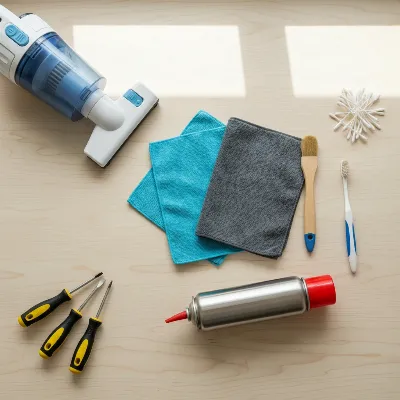 Essential tools for safely cleaning a dusty tower fan at home, including microfiber cloths, brushes, vacuum, compressed air, and screwdrivers, laid out on a clean surface in a well-lit home environment.
Quick Clean: How to Dust Your Tower Fan Without Disassembly
For routine maintenance or when you need a fast clean without the hassle of taking your fan apart, this method is highly effective for removing surface dust and debris from accessible areas.
- Unplug the Fan: Reiterate this crucial first step for safety.
- Wipe Down the Exterior: Use a slightly damp microfiber cloth to gently wipe all outer surfaces of the tower fan. This includes the main body, control panel, base, and any visible air inlet or outlet vents. For stubborn spots or grime, dampen the cloth with a mild detergent solution (a few drops of dish soap in warm water), ensuring the cloth is well-wrung to prevent excess moisture from entering the fan.
- Vacuum the Vents: Attach the brush nozzle to your vacuum cleaner. Run it over all the vents and grilles on the front and back of the fan. The brush attachment helps to loosen and pull out accumulated dust and lint from within the slats, while the vacuum suctions it away, preventing it from settling deeper inside your fan or circulating back into the room.
- Target Tight Spaces with Compressed Air and Brushes: For dust trapped deep within the grilles or in narrow crevices that the vacuum can’t reach, use a can of compressed air. Hold the fan in an open area, or outdoors, to avoid redistributing dust indoors. Aim short bursts of air into the vents to dislodge the dust. Follow up with a soft brush or an old toothbrush to gently scrub away any remaining stubborn debris between the slats. Cotton swabs can be used for particularly small and intricate areas.
- Final Wipe Down: Once all visible dust is removed, give the exterior one last wipe with a clean, dry microfiber cloth to ensure no residue or moisture remains.
This quick cleaning method is ideal for maintaining your tower fan every few weeks, keeping it running efficiently between more thorough deep cleans.
Deep Clean: Disassembling Your Tower Fan for Thorough Cleaning
While quick cleaning is good for regular upkeep, a deep clean that involves disassembly allows you to tackle the dust and grime hidden deep within the fan’s housing and on its internal blades, which significantly impacts performance and air quality.
Check Your Fan’s Manual First
Table is empty.Before attempting to disassemble your tower fan, it is paramount to consult your owner’s manual. Some tower fan models are not designed for user disassembly, and attempting to open them could void the warranty or even damage the unit. The manual will also provide specific instructions on how to safely remove panels and access internal components for your particular model. If you cannot locate the manual, search online for your fan’s make and model, or consider sticking to the quick clean method.
Step-by-Step Disassembly and Cleaning
If your fan can be disassembled, follow these steps for a comprehensive clean:
- Unplug and Prepare: Again, ensure the fan is unplugged. Lay the fan on its side on a protected, clean surface that allows access to all sides. Consider working outdoors to avoid polluting your indoor air with dislodged dust.
- Remove the Base (If Applicable): Some tower fans have a removable base secured by screws or snap-on tabs. Refer to your manual to safely detach the fan from its base.
- Access the Interior: Locate the screws or clips holding the back panel or grille in place. These are typically on the rear or side of the tower. Use the appropriate screwdriver (Philips, Torx, etc.) to remove all securing fasteners. Place them in a small container to avoid losing them. Carefully pry apart the casing halves using a flathead screwdriver if needed, applying gentle pressure. Be mindful of plastic tabs or hidden catches and avoid forcing the panels, as this can cause them to crack or break. Some models may have a top panel that needs to be removed first.
- Clean the Blades and Interior Housing: Once the casing is open, you will usually find the cylindrical fan blades (impeller) and the internal housing.
- For removable blades: If the blades can be easily detached (sometimes by unscrewing a center cap or lock), carefully remove them.
- Cleaning: Use a vacuum cleaner with a brush attachment or a soft, dry brush to gently remove the heavy accumulation of dust, pet hair, and debris from the fan blades and the entire inner housing. For stubborn grime, a slightly damp microfiber cloth can be used on the blades, but absolutely avoid getting any water or moisture near the motor or electrical wiring. Use compressed air to blow dust out of any intricate or hard-to-reach internal areas. Cotton swabs are also useful for detailed cleaning.
- Wash Removable Parts: If you removed the grille, base components, or fan blades (and the manual indicates they are washable), wash them in warm, soapy water using a mild dish soap. Rinse them thoroughly under clean water and allow them to air dry completely before reassembling. This step is critical to prevent electrical hazards and mold growth.
- Reassemble and Test: Once all parts are sparkling clean and completely dry, carefully reassemble your tower fan. Ensure all components are properly aligned and secured, tightening screws snugly but without overtightening. After reassembly, plug the fan back in and power it on. Listen for any unusual noises or vibrations, and ensure the fan operates smoothly. If there are any issues, double-check that all parts are correctly secured.
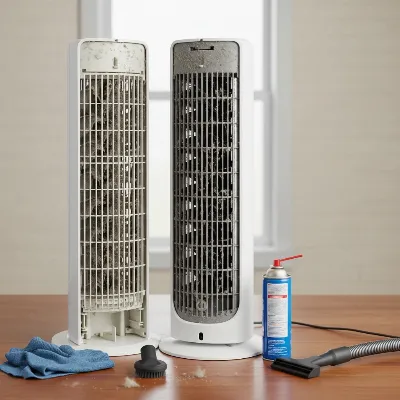 Disassembled tower fan components laid out for deep cleaning, showing internal blades, casing, and various tools, highlighting thorough cleaning.
Special Considerations for Different Tower Fan Types
While the general cleaning principles apply to most tower fans, some specific designs require tailored approaches:
- Bladeless Tower Fans: These fans, often known for their sleek design, hide their internal moving parts. While the exterior is easier to wipe down, dust still accumulates within their internal air channels. For these models, focus on using compressed air to blow dust from the air channels and a soft brush for any accessible interior rings. Wipe the exterior with a damp cloth and dry thoroughly. Avoid harsh chemicals that could damage their finish.
- Air Purifier Tower Fans: If your tower fan includes an air purification function, it will have filters designed to trap dust, pollen, and other particles. Always refer to your user manual for specific filter cleaning or replacement instructions. Some filters are washable, while others require periodic replacement. Clean the filter housing with a vacuum or soft brush, and remember to wipe down all outer surfaces, air intakes, and outlets, including the control panel.
Maintain Your Tower Fan: Tips for Lasting Cleanliness
Keeping your tower fan clean isn’t just a one-time task; it’s an ongoing effort that will pay dividends in performance and air quality. Incorporate these habits into your routine to ensure your fan stays dust-free for longer:
- Regular Dusting: Perform a quick wipe-down of the fan’s exterior with a microfiber cloth at least once a week during periods of regular use. This simple step prevents heavy dust buildup from becoming embedded.
- Use an Air Purifier: If you have an air purifier in the same room as your tower fan, it can significantly reduce the amount of airborne dust, pet dander, and other particles that your fan might otherwise draw in, helping to keep both appliances cleaner.
- Strategic Placement: Position your tower fan away from high-dust areas such as heavy carpets, busy doorways, or locations where pet hair tends to accumulate. Placing it on a hard floor or a clean, elevated surface can help minimize dust intake.
- Proper Storage: When your tower fan is not in use for an extended period, especially during off-seasons, cover it with a dust-proof cover or store it in a clean, enclosed area. This prevents dust from settling on and inside the unit while it’s inactive, ensuring it’s ready to go when you need it next.
> “Regular maintenance is not just about extending the life of your appliance; it’s about preserving the quality of your indoor environment. A clean fan breathes cleaner air into your home.” – Alicia Sokolowski, Green Cleaning Specialist
Conclusion
Cleaning your dusty tower fan is a simple yet impactful task that significantly boosts its efficiency, prolongs its lifespan, and most importantly, improves the air quality in your living space. Whether you opt for a quick exterior wipe and vacuum or a more thorough deep clean involving disassembly, the key is consistency and attention to safety. By following these guidelines, you can ensure your tower fan provides a strong, fresh, and quiet breeze for years to come. Isn’t a cleaner home and more comfortable living worth a little effort?
Câu Hỏi Thường Gặp
How often should I clean my tower fan?
The cleaning frequency depends on usage. For light use, every 2-3 months is fine. For moderate use (daily), aim for monthly cleaning. In homes with pets, allergies, or heavy usage, clean every 2 weeks or seasonally deep clean.
Can I clean my tower fan with water?
You can use a damp microfiber cloth with a mild detergent for the exterior and washable removable parts like grilles or blades (if instructed by the manual). However, never use water directly on the motor or electrical components inside the fan to avoid damage or electrical hazards. Ensure all parts are completely dry before reassembly.
What if my tower fan cannot be disassembled?
If your Tower Fan’s manual states it cannot be disassembled, or if you prefer not to, you can still perform a thorough quick clean. Focus on using a vacuum cleaner with a brush attachment, compressed air, a soft brush, and cotton swabs to clean the exterior vents and reach into tight crevices as much as possible without opening the casing.